Published cost guides report tree trimming at $400 to $900 per tree on average (HomeGuide), with small trees from about $80 and very large or neglected trees at $2,500 or more. Palm trimming runs $100 to $650 nationally and $100 to $825 in California. Height, species, access, pruning type, and power lines set the price. Get a written on-site estimate from our tree trimming team before you budget.
- Average per tree
- $400 to $900
- National midpoint (HomeGuide)
- $650
- Palm trim, California
- $100 to $825
- Typical cycle, mature trees
- Every 3 to 5 years
- SCE line clearance
- No cost for SCE lines
On this page
- How much does tree trimming cost in Simi Valley?
- Trimming cost by tree height
- Palm tree trimming cost: frond trim vs. skinning
- Crown thinning, raising, and structural pruning
- How often to trim and the best time of year
- Power lines, SCE, and your service drop
- Permits that can affect trimming
- Ways to save on tree trimming
- FAQs
- Sources
How much does tree trimming cost in Simi Valley?
HomeGuide reports that most professional tree trimming costs $400 to $900 per tree, with a national average of $650. LawnStarter publishes a tighter band of $430 to $640, ranging from $78 for a small tree up to $1,835 for one over 60 feet.
No guide we reviewed lists a Simi Valley price. The closest Southern California data point is LawnStarter's San Diego range of $478 to $710 per tree, which sits a little above its national figure.
Expect minimum charges as well. HomeGuide notes that most tree services set a minimum job fee of $100 to $300 or more, so trimming one small crape myrtle may cost about the same as trimming two.
These are typical published ranges, not a quote from us. To get a real figure for your property, call (805) 902-1045 and we will walk the yard and give you a written estimate before any cutting starts.
Trimming cost by tree height
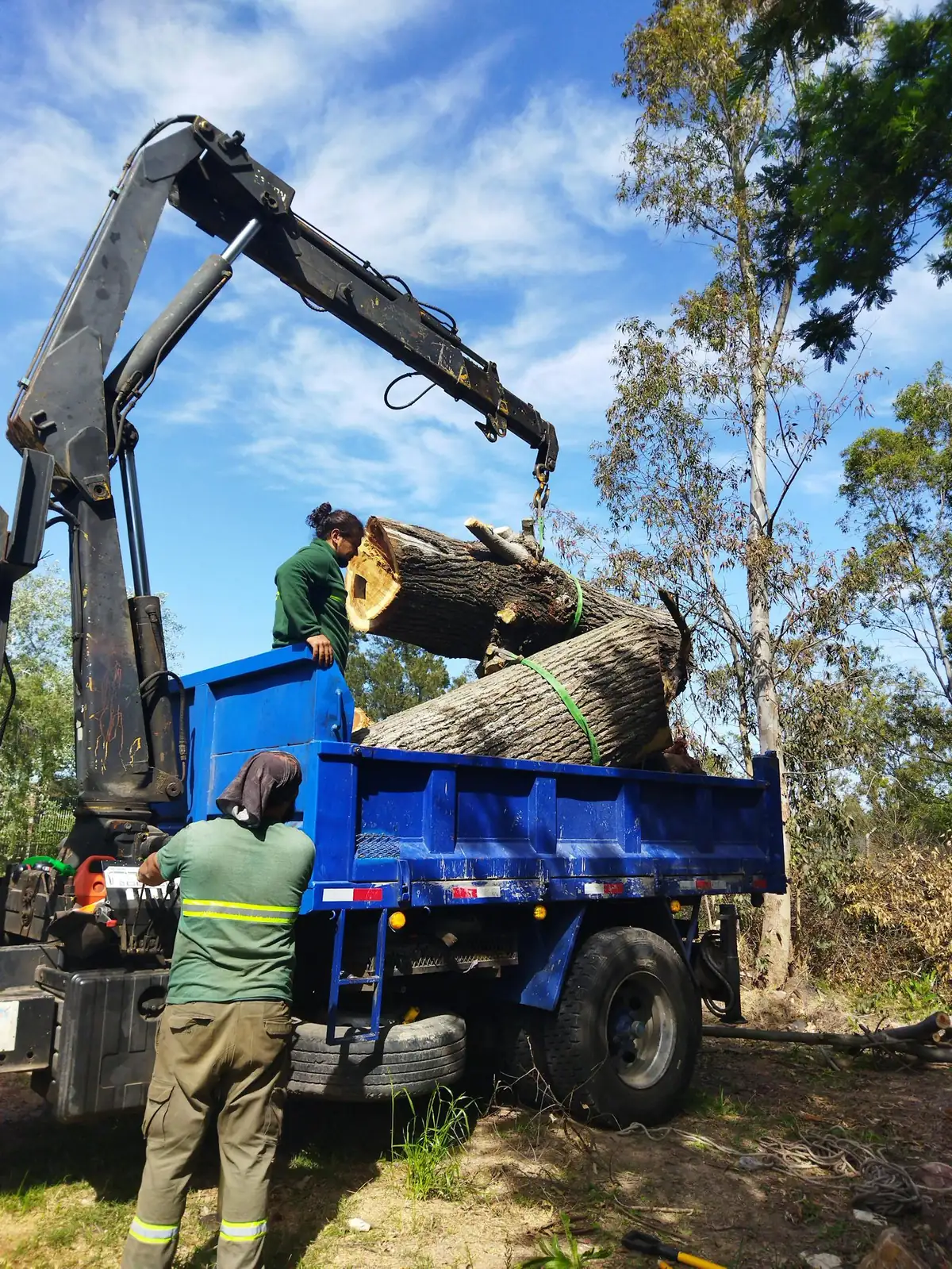
Height drives labor more than anything else. Over about 30 feet, crews usually need a climber or a bucket truck, and the time spent moving and lowering each limb adds up fast.
| Tree height | HomeGuide range | LawnStarter range |
|---|---|---|
| Under 30 feet | $250 to $700 | $85 to $415 |
| 30 to 60 feet | $600 to $1,200 | $215 to $790 |
| Over 60 feet | $1,000 to $2,500+ | $475 to $1,835 |
HomeGuide places oak, pine, and eucalyptus in its tallest group, which matches what you see across Simi Valley. Mature Aleppo pines along Erringer Rd and big eucalyptus windbreaks near Tapo Canyon Rd usually fall in the over-60-foot band, while ornamental trees in newer Wood Ranch yards often stay under 30 feet.
Species ranges overlap with height. HomeGuide lists oak at $450 to $1,500, pine at $250 to $1,600, and cypress at $150 to $1,200 per tree.
Palm tree trimming cost: frond trim vs. skinning
Palms are priced differently from broadleaf trees because the work is mostly about height and frond count. HomeGuide reports $100 to $650 on average to trim a palm, with a national average of $375 and a California range of $100 to $825.
| Palm height | Published range |
|---|---|
| Up to 15 feet | $50 to $200 |
| 15 to 30 feet | $75 to $400 |
| 30 to 60 feet | $150 to $900 |
| 60 to 80 feet | $250 to $1,100 |
| Over 80 feet | $1,000 to $1,500 |
A standard frond trim removes the dead brown fronds and seed stalks. Skinning goes further, cutting away the old frond bases (the boots) to expose a clean trunk. Skinning a tall Mexican fan palm takes considerably more time than a frond trim, but none of the guides we reviewed publish a separate skinning price, so we quote it on site.
HomeGuide warns that dead palm fronds are highly flammable and recommends a second opinion if someone wants to cut healthy green fronds. We remove dead material and leave the live crown intact, which is the core of how our tree trimming crews handle palms.
Crown thinning, raising, and structural pruning
The type of pruning changes the hours on the job. A quick clearance cut over a driveway is fast; a full structural prune on a mature coast live oak is slow, careful work.
- Crown thinning: selectively removes interior branches to let wind and light through the canopy. It is a common request before Santa Ana wind season for dense pines and pepper trees.
- Crown raising: lifts low limbs to clear roofs, walkways, and vehicles. It is often the lowest-cost option on a smaller tree.
- Crown reduction: shortens limbs back to a suitable lateral branch to reduce height or spread without topping.
- Structural pruning: shapes young and mid-age trees so they develop one strong leader and well-spaced limbs, which lowers future removal risk.
- Deadwood removal: takes out dead and dying limbs, the branches most likely to drop during a storm.
We prune to the ANSI A300 standard and do not top trees. The International Society of Arboriculture (ISA) explains in its Why Topping Hurts Trees guidance that topping starves the tree, invites decay, and creates weakly attached regrowth. If a tree is too big for its spot, the honest answer is sometimes removal, covered in our tree removal cost guide.
How often to trim and the best time of year
HomeGuide and LawnStarter both report that most mature trees need professional trimming every 3 to 5 years. LawnStarter adds that young trees benefit from a trim every 2 to 3 years and fruit trees annually. HomeGuide says palms usually need trimming 1 to 2 times a year.
Bird nesting season is the main scheduling limit in Southern California. California Fish and Game Code 3503 makes it unlawful to needlessly destroy a bird nest or eggs, and the federal Migratory Bird Treaty Act protects nests as well, as summarized in the Los Angeles Audubon trimming guide. Many local agencies treat roughly February through August as peak nesting time, so heavy pruning is easier to schedule outside that window, and we check for active nests before cutting at any time of year.
Fall is the other key window. Santa Ana winds are most common from October through March, and that is when overextended limbs and heavy palm skirts fail. Thinning and deadwood removal in early fall is cheaper than a storm call later; see our emergency tree removal cost guide for what those calls run.
Power lines, SCE, and your service drop
Southern California Edison states that its tree trimming and removal near its power lines are part of annual vegetation maintenance at no additional cost to the customer. In high fire risk areas, SCE trims to 12 feet of clearance from a line and posts door hangers at least 30 days before work begins.
If you hire your own tree service to work near SCE wires, SCE says you must notify the utility first. That applies to any tree within 10 feet of SCE lines, or any tree that could contact wires or equipment if it fell. Only specially trained line clearance trimmers may work near energized lines.
The service drop, the single wire running from the pole to your house, is a gray area. Many utilities treat clearing branches around the drop as the owner's job, but we could not confirm SCE's specific policy, so ask SCE first. When a tree near SCE lines needs work, we call SCE in before cutting.
Permits that can affect trimming
Inside Simi Valley city limits, the city's tree ordinance focuses on removal of mature trees, especially native oaks, so routine trimming of a yard tree usually needs no city permit. Check with the Planning Division before heavy cutting on a protected oak.
Unincorporated Ventura County, including Santa Susana Knolls, is stricter about pruning. The county requires arborist verification for major pruning of a protected oak or sycamore, defined as cutting limbs or roots larger than 20 percent of the tree's girth, or removing more than 20 percent of the canopy or root system. Crossing into Los Angeles? Our West Hills and Chatsworth pages cover the city's protected tree rules there.
Ways to save on tree trimming
The cheapest trim is the one done on schedule, before a tree becomes neglected and doubles the labor.
- Bundle trees: HomeGuide notes many companies discount per-tree cost when several trees are done in one visit, which also spreads the minimum job fee.
- Book in the off season: HomeGuide reports that peak demand runs from late spring into early fall, and winter scheduling may bring lower rates.
- Keep the chips: HomeGuide lists debris removal at $75 to $250, so keeping mulch on site can trim the bill.
- Stay on a cycle: regular structural pruning prevents the emergency and removal calls that cost the most.
- Watch tree health: early care from our tree health service costs far less than removing a failing tree.
We are licensed and insured, we prune to ANSI A300, we work to ANSI Z133, and we haul debris and clean up when we finish. Call (805) 902-1045 or reach us through the contact page for a written estimate. We trim in Simi Valley, the Texas Tract, Big Sky, Indian Hills, and across our service area, including Thousand Oaks.
Frequently Asked Questions
How much does tree trimming cost in Simi Valley?+
Published cost guides report most tree trimming nationally at $400 to $900 per tree, with small trees starting near $80 and very large ones at $2,500 or more. LawnStarter lists San Diego, the nearest Southern California city in its data, at $478 to $710. A written on-site estimate is the only accurate price for your trees.
How much does it cost to trim a palm tree?+
HomeGuide reports $100 to $650 on average to trim a palm, with a California range of $100 to $825. Height is the biggest factor: palms up to 15 feet run $50 to $200, while palms over 80 feet run $1,000 to $1,500. Skinning the trunk takes more time and is usually quoted separately.
Does SCE trim trees near power lines for free?+
Yes, for its own lines. Southern California Edison says trimming and removal near its power lines are part of annual vegetation maintenance at no additional cost to the customer. If you hire your own tree service for a tree within 10 feet of SCE lines, SCE requires that you notify it before work begins.
Is tree topping ever a good idea?+
No. ANSI A300 pruning standards and the International Society of Arboriculture both advise against topping. Topping removes too much leaf area, leaves large wounds open to decay, and triggers fast, weakly attached regrowth that can fail later. Crown reduction to a suitable lateral branch is the accepted way to reduce a tree's size.
When is the best time to trim trees in Simi Valley?+
Late fall and winter often work best. Heavy pruning outside the roughly February through August nesting period avoids conflicts with California nest protection law, and early fall thinning prepares trees for Santa Ana winds, which are most common from October through March. Dead or hazardous limbs should be handled right away in any season.
How often should trees be trimmed in Southern California?+
Cost guides report that most mature trees need professional trimming every 3 to 5 years, young trees every 2 to 3 years, and fruit trees annually. Palms usually need trimming once or twice a year to clear dead fronds. Fast growers like eucalyptus may need attention sooner, especially near roofs or lines.
Sources
Price ranges above come from these published cost guides and public agencies. They are national or regional averages, not a quote. Your real price comes from a written, on-site estimate.
- HomeGuide: Tree Trimming Cost
- HomeGuide: Palm Tree Trimming Cost
- LawnStarter: Tree Trimming Price
- Southern California Edison: Vegetation Management Fact Sheet
- ISA TreesAreGood: Why Topping Hurts Trees
- Los Angeles Audubon: Guide to Bird Friendly Tree and Shrub Trimming and Removal
- CNN: Santa Ana winds explained
- Ventura County RMA: Tree Permits and the Tree Protection Ordinance
- City of Simi Valley: Mature Tree Preservation Ordinance